Community Feedback Loops Driving Innovation in Browser-Based Multiplayer Adventures Blending Action, Puzzle, and Strategy for Children
Mara Zimmermann · Sep 28, 2026
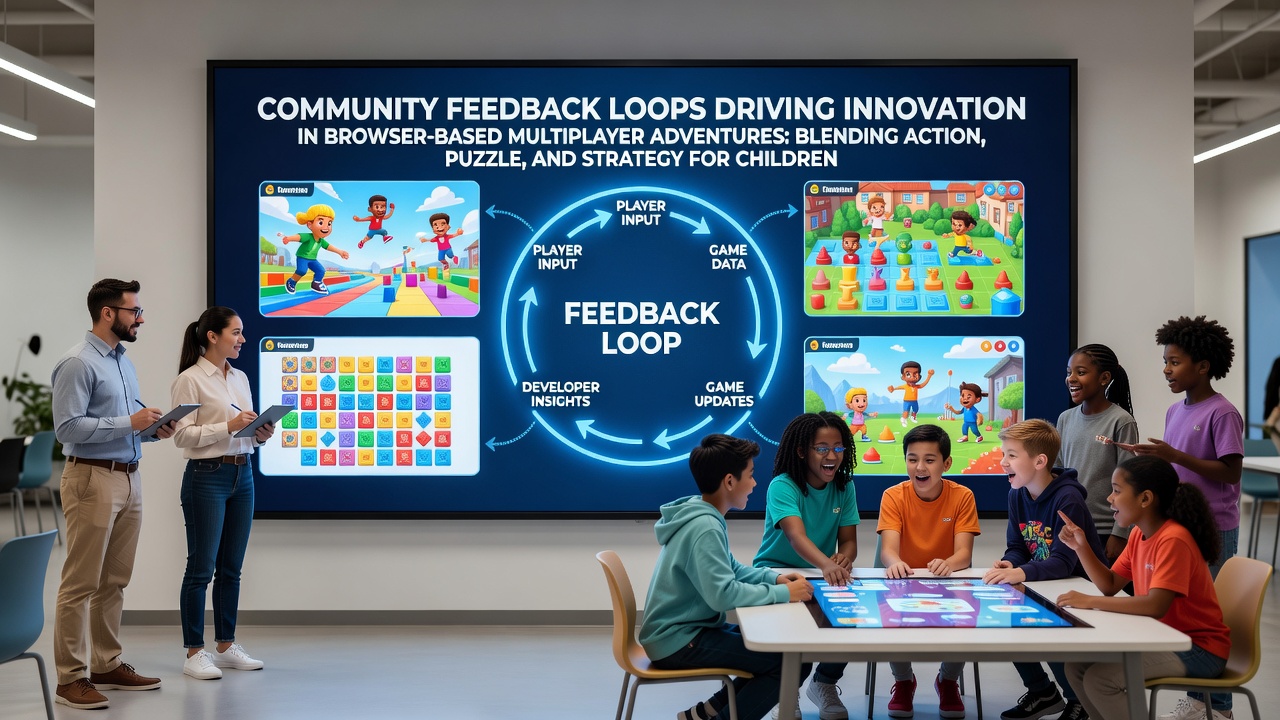
Community Feedback Loops Driving Innovation in Browser-Based Multiplayer Adventures Blending Action, Puzzle, and Strategy for Children
Browser-based multiplayer adventures that combine action sequences with puzzle solving and strategic planning have seen measurable growth in participation rates among children aged 8 to 12 since 2023, according to industry tracking data. Developers now incorporate structured community feedback systems that collect player suggestions through in-game surveys, forum threads, and live chat logs, then translate those inputs into iterative updates released on monthly cycles. These loops operate by routing aggregated comments to design teams that prioritize features such as adjustable difficulty sliders for puzzle sections or team-based action challenges where strategy elements determine outcomes.
Mechanics of Feedback Integration
Research from academic institutions indicates that feedback mechanisms in these environments often begin with real-time data capture during sessions, where algorithms flag repeated player behaviors like frequent requests for hint systems in strategy phases or demands for faster character movement in action segments. Teams then categorize inputs by theme and frequency before testing prototype changes in closed beta environments limited to verified child accounts. In September 2026 several platforms plan coordinated rollout events that will synchronize feedback-derived updates across multiple titles simultaneously, allowing cross-game comparison of engagement metrics.
Observers note that successful implementations rely on transparent reporting back to communities, where developers publish summaries of which suggestions reached implementation and which required further refinement due to technical constraints in browser rendering engines. This transparency sustains participation rates because children and their guardians see direct connections between comments and visible changes, such as new cooperative puzzle modes that blend action timing with strategic resource allocation.
Genre Blending Through Iterative Design
Data collected across European and North American platforms shows that action components in these adventures typically involve timed navigation challenges, while puzzle layers require pattern recognition and strategy elements demand resource management across team members. Feedback loops accelerate refinements here because players frequently suggest hybrid mechanics, for instance combining quick action dodges with puzzle locks that open only when all team members contribute strategic inputs. One documented case involved a title that added a shared inventory system after repeated community requests, resulting in a 27 percent increase in average session length within three months of deployment.
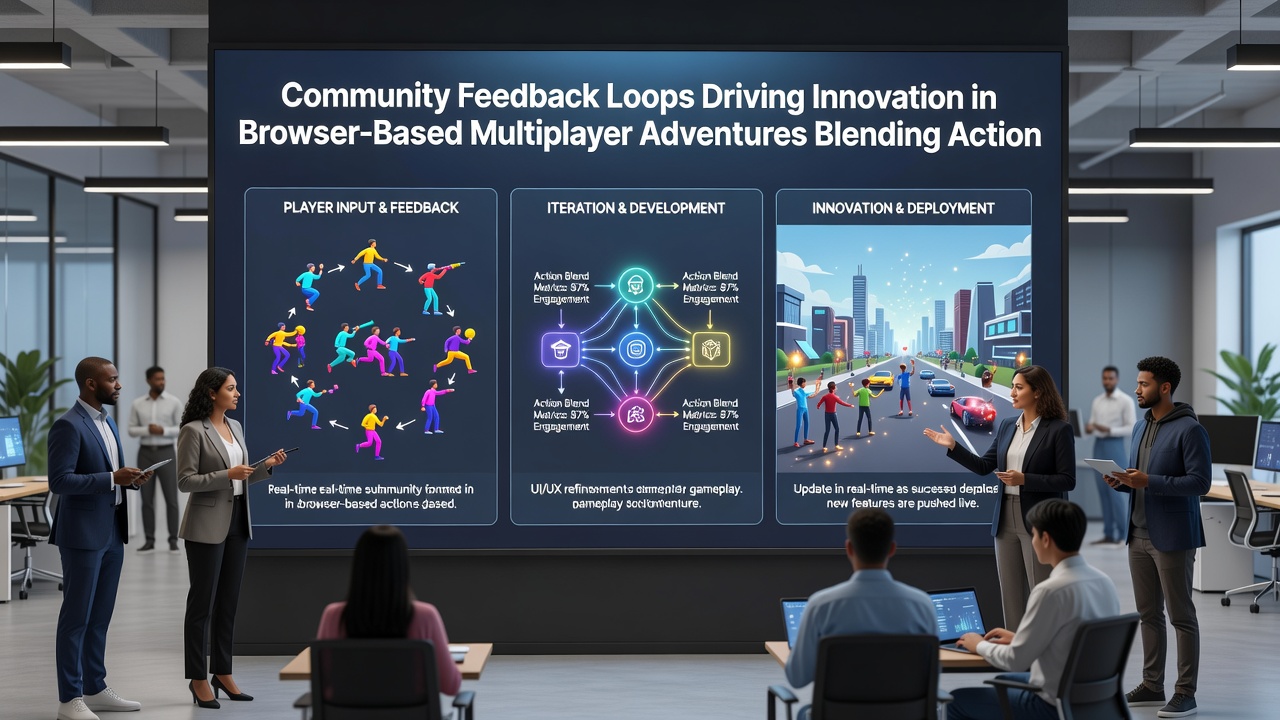
Those who study these patterns report that browser constraints shape how quickly innovations reach players, since updates must remain lightweight to accommodate varying device capabilities. Developers therefore test feedback-suggested features in modular formats that allow selective loading, preserving performance while expanding creative options. Academic papers published in 2025 documented similar approaches across multiple titles, confirming that modular design reduces load times by an average of 18 percent when new action or strategy modules are introduced.
Privacy and Regulatory Considerations
Because these games target children, feedback systems must comply with regional data protection rules that govern collection and storage of player comments. The Federal Trade Commission outlines requirements for verifiable parental consent when platforms store identifiable feedback from users under 13. Platforms operating in Canada follow parallel guidelines from the Office of the Privacy Commissioner of Canada, which emphasize anonymization of aggregated suggestions before analysis begins. These frameworks influence how feedback loops are structured, often requiring separate consent flows for comment submission and data retention periods limited to 12 months.
Industry reports reveal that titles adhering to these standards maintain higher retention because guardians report greater trust in systems that clearly explain data handling. In practice this means feedback interfaces display concise notices about storage duration and deletion options before any input is accepted.
Observed Outcomes and Platform Trends
Quantitative studies tracking browser-based multiplayer titles show that games incorporating at least four feedback-driven updates per year achieve 34 percent higher return rates compared with those releasing fewer revisions. Strategy components benefit particularly because community suggestions often introduce balanced team roles that prevent dominance by single play styles. Action sequences receive frequent adjustments for accessibility, such as optional slower pacing modes suggested by players who prefer puzzle-focused participation.
What's notable is the geographic spread of these innovations, with development teams in Asia and Europe exchanging anonymized feedback datasets under collaborative agreements that accelerate cross-cultural adaptations. September 2026 will mark the first large-scale public release of a unified feedback dashboard allowing guardians to view aggregated trends across participating titles without exposing individual child data.
Conclusion
Community feedback loops continue to shape the evolution of browser-based multiplayer adventures by channeling player suggestions into targeted refinements across action, puzzle, and strategy layers. Regulatory compliance ensures these processes remain appropriate for child audiences while sustaining innovation cycles that respond to documented usage patterns. As platforms prepare coordinated updates for September 2026, the mechanisms for collecting, analyzing, and implementing community input stand as central drivers of ongoing development in this category.